In today’s fast-evolving professional landscape, workplace medical benefits have become an essential part of employment packages. Employers recognize that a well-structured healthcare plan not only attracts top talent but also enhances overall productivity and job satisfaction. Understanding the intricacies of these benefits is crucial for employees to maximize their value and ensure comprehensive healthcare coverage.
This guide delves into every aspect of workplace medical benefits, from eligibility criteria and types of coverage to cost-sharing structures and how to navigate the system efficiently.
Understanding Workplace Medical Benefits
Workplace medical benefits are employer-provided health coverage plans designed to offer financial protection against medical expenses. These benefits can include general health insurance, dental and vision coverage, mental health services, and wellness programs.
Employers either fully or partially sponsor these benefits, providing employees with more affordable healthcare options compared to purchasing individual insurance plans. The availability and extent of coverage depend on company policies and agreements with insurance providers.
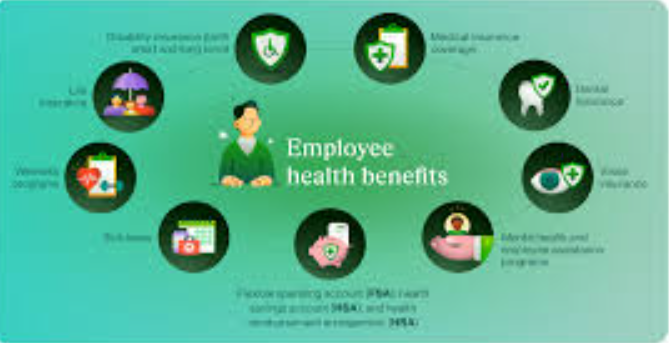
Types of Workplace Medical Benefits
1. Health Insurance Plans
Most companies provide group health insurance plans that cover preventive care, doctor visits, hospital stays, and prescription medications. The two most common types include:
- Health Maintenance Organization (HMO): Requires employees to use a network of doctors and facilities, with referrals needed for specialists.
- Preferred Provider Organization (PPO): Offers more flexibility in choosing healthcare providers, including out-of-network options, though at a higher cost.
2. Dental and Vision Coverage
Some employers offer separate dental and vision insurance policies. These plans typically cover routine checkups, procedures, and corrective measures like braces or eyeglasses.
3. Mental Health and Wellness Programs
Many organizations recognize the importance of mental health and offer Employee Assistance Programs (EAPs) that provide counseling, stress management, and wellness initiatives.
4. Disability Insurance
Short-term and long-term disability insurance ensures financial support if an employee becomes unable to work due to injury or illness.
5. Health Savings Accounts (HSA) and Flexible Spending Accounts (FSA)
These accounts allow employees to set aside pre-tax income for medical expenses, reducing overall healthcare costs.
Eligibility Criteria for Workplace Medical Benefits
Eligibility for workplace medical benefits varies based on company policies and employment status. Most employers provide coverage to:
- Full-time employees after a probationary period.
- Part-time employees meeting a minimum work-hour requirement.
- Dependents, including spouses and children, under certain conditions.
Some companies also extend benefits to domestic partners or retired employees through continued insurance coverage options.
How to Enroll in Workplace Medical Benefits
Enrollment in workplace medical benefits usually occurs during:
- New Employee Onboarding – Employees must select their preferred plan within a specified timeframe.
- Open Enrollment Period – An annual window where employees can modify their healthcare plans.
- Qualifying Life Events – Major changes such as marriage, childbirth, or job loss allow mid-year plan adjustments.
During the enrollment process, employees should carefully compare plan options, costs, and coverage details to make informed decisions.
Cost-Sharing and Premium Contributions
Employers typically share the cost of medical benefits with employees. Common cost-sharing elements include:
- Premiums: Monthly payments deducted from salaries.
- Deductibles: The amount employees must pay before insurance coverage kicks in.
- Copayments & Coinsurance: Employees pay a portion of medical expenses, while insurance covers the rest.
Employers may also offer financial assistance, such as covering a higher percentage of premiums or providing incentives for participation in wellness programs.
Accessing Workplace Medical Benefits Efficiently
Employees can access their medical benefits through various channels, including online portals, HR departments, and direct communication with insurance providers. Many companies provide Virtual Workplace Access to streamline benefit management, allowing employees to review coverage details, file claims, and schedule medical appointments conveniently.
Navigating Claims and Reimbursements
Understanding the claims process is essential to avoiding unexpected medical expenses. Employees should:
- Verify coverage before seeking treatment.
- Submit claims promptly through their insurance provider.
- Keep records of medical visits and expenses.
- Appeal denied claims if necessary, following employer and insurer guidelines.
Maximizing Workplace Medical Benefits
To get the most out of their healthcare plans, employees should:
- Utilize preventive care services covered at no extra cost, such as vaccinations and health screenings.
- Take advantage of employee wellness programs to maintain a healthier lifestyle.
- Choose in-network providers to minimize out-of-pocket costs.
- Consider telemedicine options for convenient and cost-effective medical consultations.
Common Challenges in Workplace Medical Benefits
Despite their advantages, workplace medical benefits may present challenges, such as:
- High deductibles making healthcare expensive before coverage begins.
- Limited provider networks restricting access to preferred doctors.
- Complicated claims processes causing delays in reimbursements.
Employees should regularly review their plans and seek HR assistance to address any concerns.
 My Virtual Workplace